Paths to Moksha
Ancient Paths, Modern Healing, Where Vedic wisdom meets Reiki — a harmonious approach to spiritual awakening. Explore the four sacred ways to attain liberation through devotion, wisdom, action, and energy healing.
Shruti Sinha
7/18/20254 min read
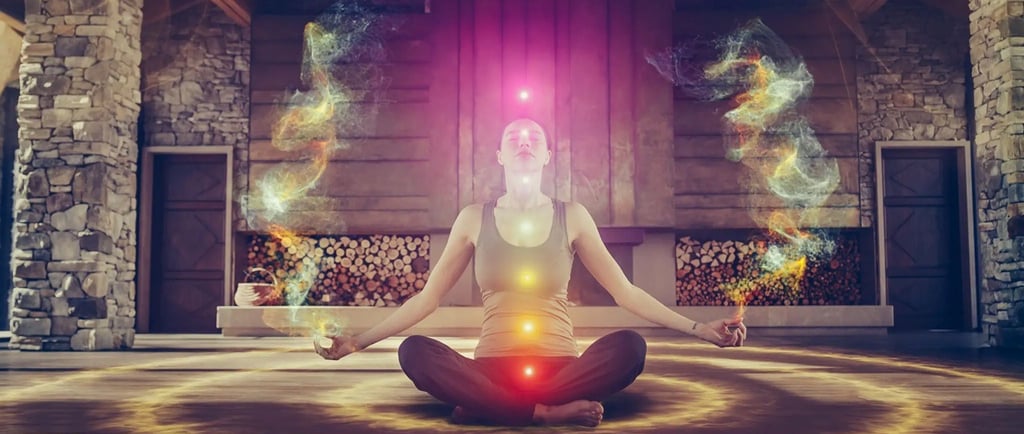
चार मार्गों से मोक्ष — भक्ति, ज्ञान, कर्म और ऊर्जा-हीलिंग (Reiki) का पावन रहस्य
A Vedic & Puranic Perspective by Shruti Sinha
“मुक्ति” या मोक्ष—the ultimate liberation—is described in the Vedas as the freedom from all cycles of birth, death, and suffering. The Upanishads call it Brahma–Sakshatkara, the direct realization of the Absolute. The Bhagavad Gita explains that the soul attains moksha when it rises above ignorance and reunites with the Supreme Consciousness.
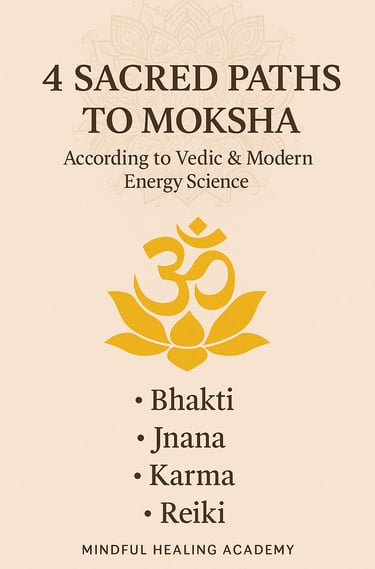
Across the ancient scriptures, four sacred paths are given to humanity to attain liberation. Traditionally these are:
Bhakti Yoga (Path of Devotion)
Jnana Yoga (Path of Wisdom)
Karma Yoga (Path of Selfless Action)
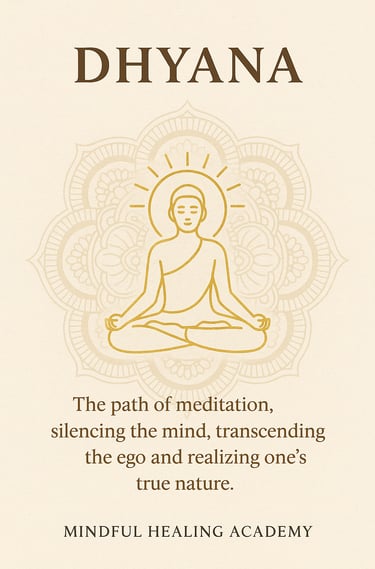
Dhyana / Raja Yoga (Path of Meditation)
However, in the modern era, many spiritual masters recognize a supplementary path—
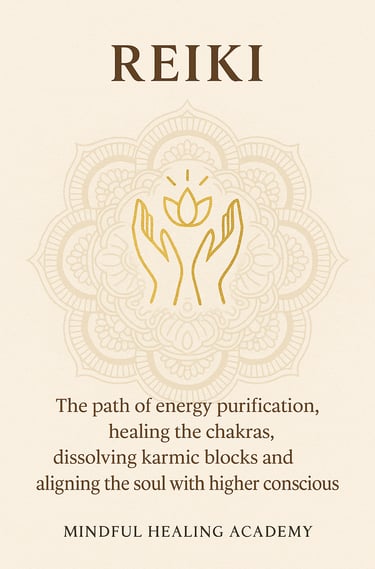
Energy Healing / Pranic Alignment (like Reiki)—which aligns the body-mind-spirit so the seeker can progress on the classical four paths more smoothly.
This blog combines ancient wisdom from:
Vedas & Upanishads
Bhagavad Gita
Shiva Purana
Bhagavata Purana
Raja Yoga (Patanjali Yoga Sutras)
…with the modern spiritual science of Reiki and energy healing.
🕉️ 1. Bhakti Yoga – भक्ति योग (मोक्ष का सबसे सरल मार्ग)
Scriptural Reference:
“भक्त्या मामभिजानाति यावान्यश्चास्मि तत्त्वतः।” — Bhagavad Gita 18.55
(Through devotion alone, one truly knows Me and attains Me.)
Bhakti is described in the Bhagavata Purana as the sweetest and most easily accessible path to moksha. It is the path where the heart dissolves into divine love. When love becomes unconditional, pure, and selfless, the soul naturally rises above ego and attachment.
How Bhakti Leads to Moksha
Bhakti destroys:
Fear
Ego
Attachment
Karmic burden
Mental suffering
A devotee sees everything as divine. This dissolves duality—exactly the state required for liberation.
Forms of Bhakti Mentioned in Scriptures
श्रवण (listening to divine stories)
कीर्तन (chanting)
स्मरण (remembrance)
सेवा (selfless service)
आत्मनिवेदन (total surrender)
🔱 2. Jnana Yoga – ज्ञान योग (वेदांत का मार्ग)
Scriptural Reference:
“ब्रह्म सत्यं जगन्मिथ्या, जीवो ब्रह्मैव नापरः।” — Advaita Vedanta
(Brahman alone is real; the world is illusory; the soul is one with Brahman.)
The Upanishads say ज्ञान (knowledge of the Self) is the highest purifier. This path is for seekers who question: “Who am I?”
Central Teaching of the Jnana Path
You are not the body.
You are not the mind.
You are eternal consciousness.
When this realization becomes absolute, rebirth is no longer required.
Key Practices
Self-inquiry (Atma Vichara)
Study of Upanishads
Detachment
Discrimination (Viveka)
Meditation on “Aham Brahmasmi”
This path demands clarity, discipline, and a fearless mind.
🔥 3. Karma Yoga – कर्म योग (निःस्वार्थ कर्म का मार्ग)
Scriptural Reference:
“कर्मण्येवाधिकारस्ते मा फलेषु कदाचन।” — Bhagavad Gita 2.47
(You have the right to action, never to its fruits.)
In the Mahabharata, Krishna teaches Arjuna that liberation is possible through fulfilling one’s duties without attachment. This purifies the heart and frees the soul from karmic bondage.
How Karma Yoga Liberates You
Burns old karmas
Prevents new karmic chains
Purifies mind & ego
Increases compassion
Expands consciousness
A karma yogi works for Lokasamgraha (welfare of all beings), not personal gain.
🧘♂️ 4. Dhyana Yoga – ध्यान योग (राजयोग का मार्ग)
Scriptural Reference:
“योगश्चित्तवृत्तिनिरोधः।” — Patanjali Yoga Sutra 1.2
(Yoga is the stilling of the mind's fluctuations.)
The Upanishads describe meditation as the bridge between the soul and Brahman.
In the Shiva Purana, Lord Shiva grants moksha to seekers through profound meditation and inner silence.
How Meditation Leads to Moksha
Dissolves thoughts
Eliminates suffering
Activates higher consciousness
Awakens inner bliss
Connects you with the Self
Deep states of meditation move the seeker into samadhi, where all karmas dissolve.
🌟 5. Energy Healing & Reiki – Modern Path to Ancient Liberation
While not mentioned in ancient scriptures directly, Reiki aligns perfectly with the energetic principles found in the Vedas.
Vedic Origin of Energy Healing
The Atharva Veda and Upanishads describe:
Prana — life force
Nadi system — energy channels
Chakras — energy centers
Pranic healing — use of energy for purification
Reiki works exactly on these principles—it channels universal energy (cosmic prana) through the palms.
Why Reiki Helps in Moksha Path
Reiki:
Purifies chakras
Releases emotional blockages
Heals karmic impressions (samskaras)
Deepens meditation
Activates intuition
Increases sattva (purity)
A clearer energy body allows smoother progress on:
Bhakti
Karma
Dhyana
Jnana
Thus Reiki becomes the supportive path that strengthens all traditional paths to liberation.
🌼 How These 4 ( Or 5) Paths Come Together for Liberation
Path Focus Result Bhakti Love Dissolves ego Jnana Wisdom Dissolves ignorance Karma Duty Dissolves karma Dhyana Meditation Dissolves mind Reiki / Energy Healing Pranic Alignment Dissolves blockages
When the ego, ignorance, karma, mind, and blockages dissolve—the soul rises to its original state: Pure, eternal, free.
This is Moksha.
🌺 Final Words
The Vedas never limit moksha to one method. They lovingly offer many paths so every soul—regardless of background, age, or personality—can find the route meant for them.
Reiki, though modern in name, is ancient in essence. It is the same universal prana the Upanishads speak of. When combined with Bhakti, Karma, Jnana, or Dhyana—it becomes a powerful force of transformation.
Each seeker deserves a path that feels natural to the heart.
And whichever path you choose,
Grace always meets effort.